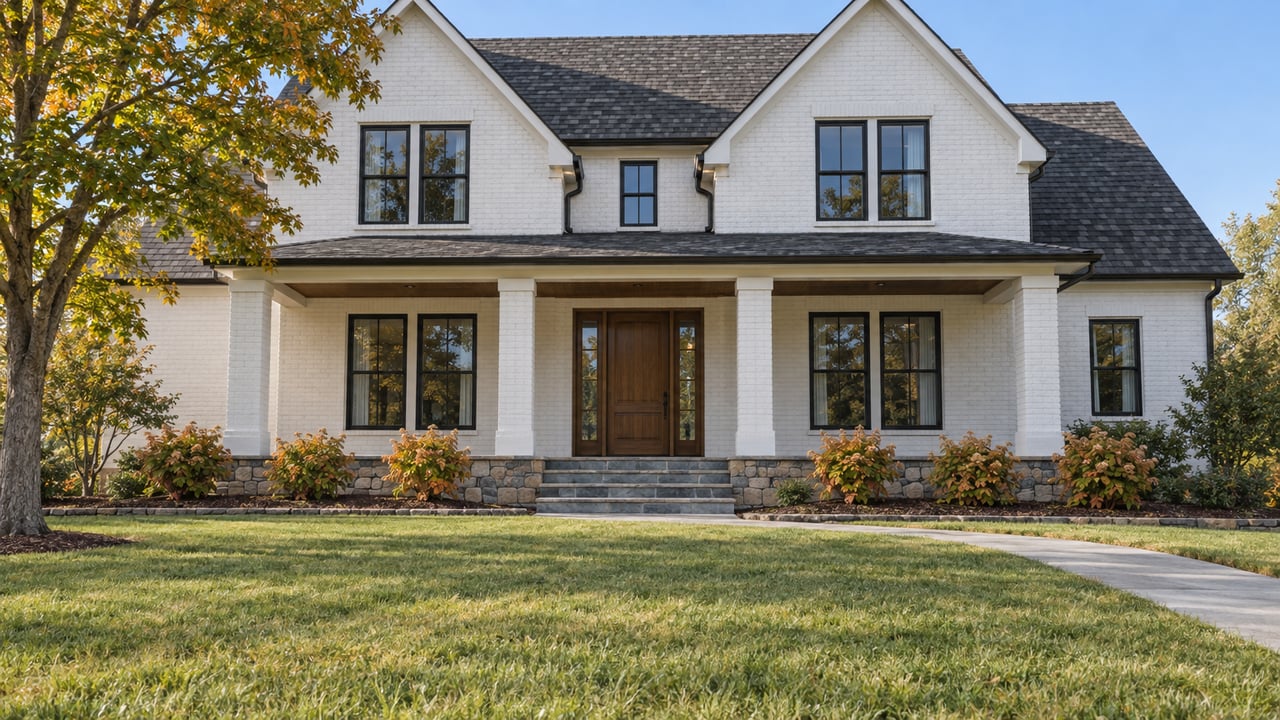
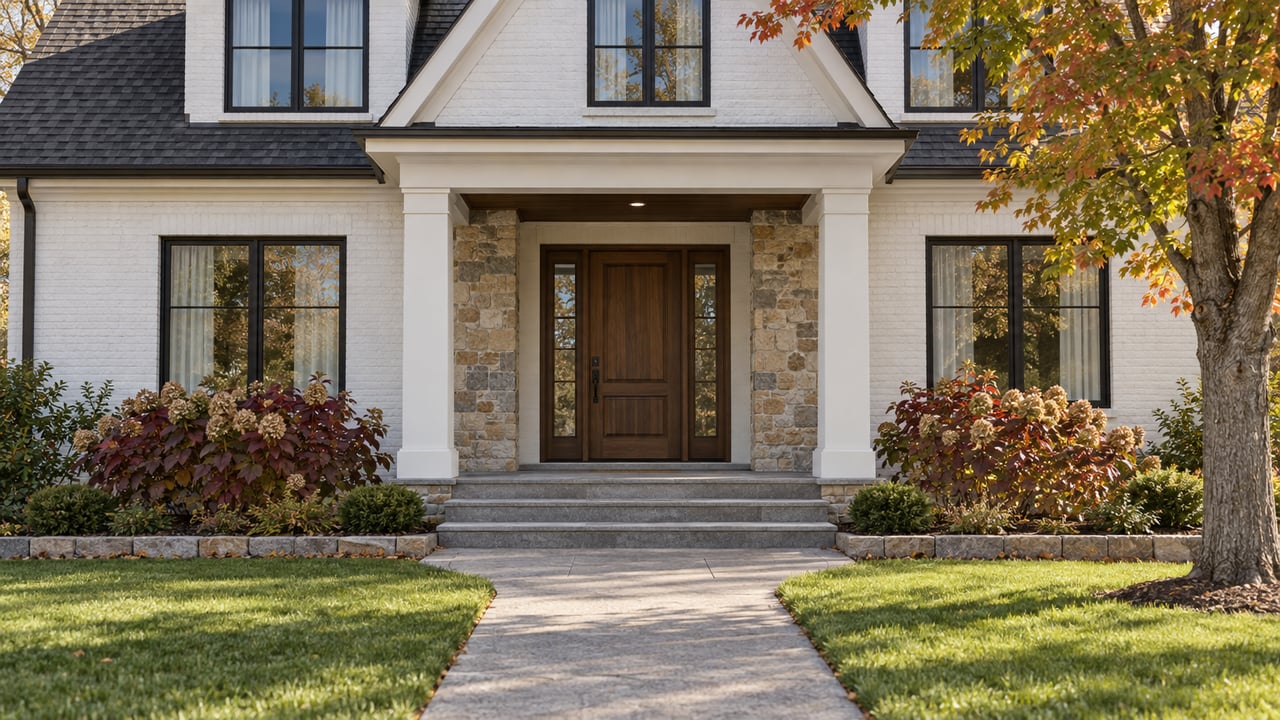
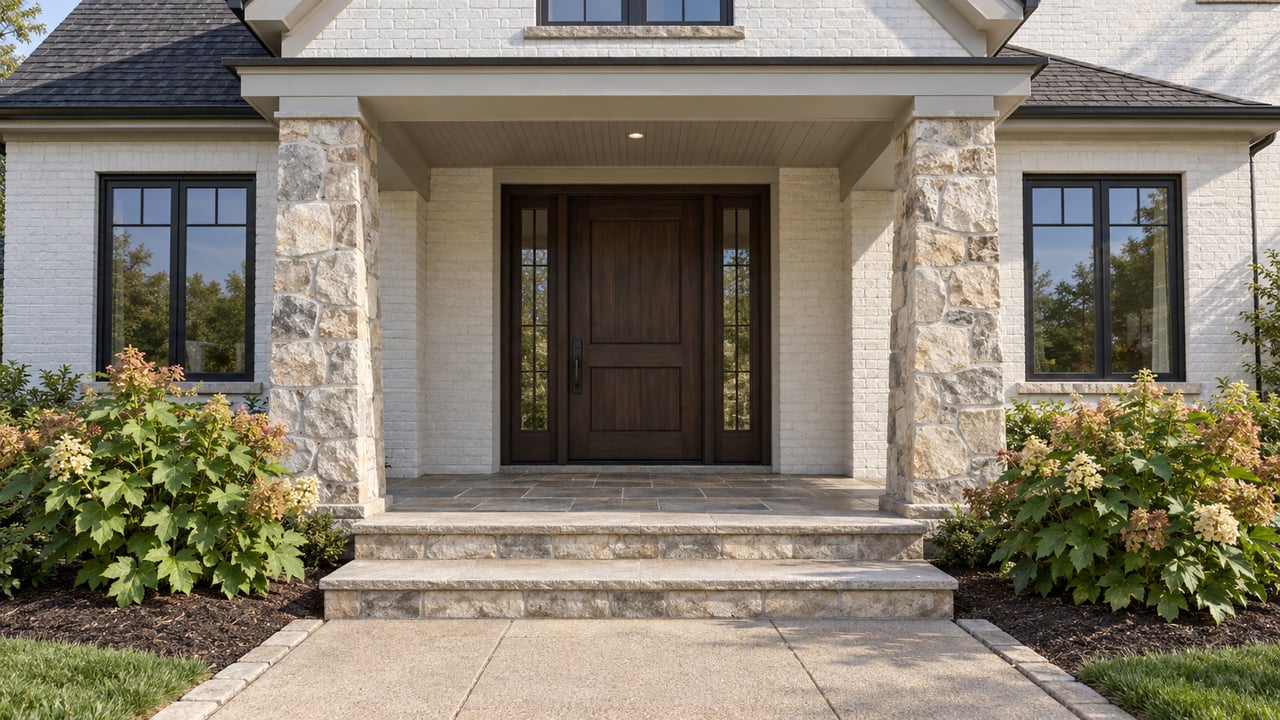
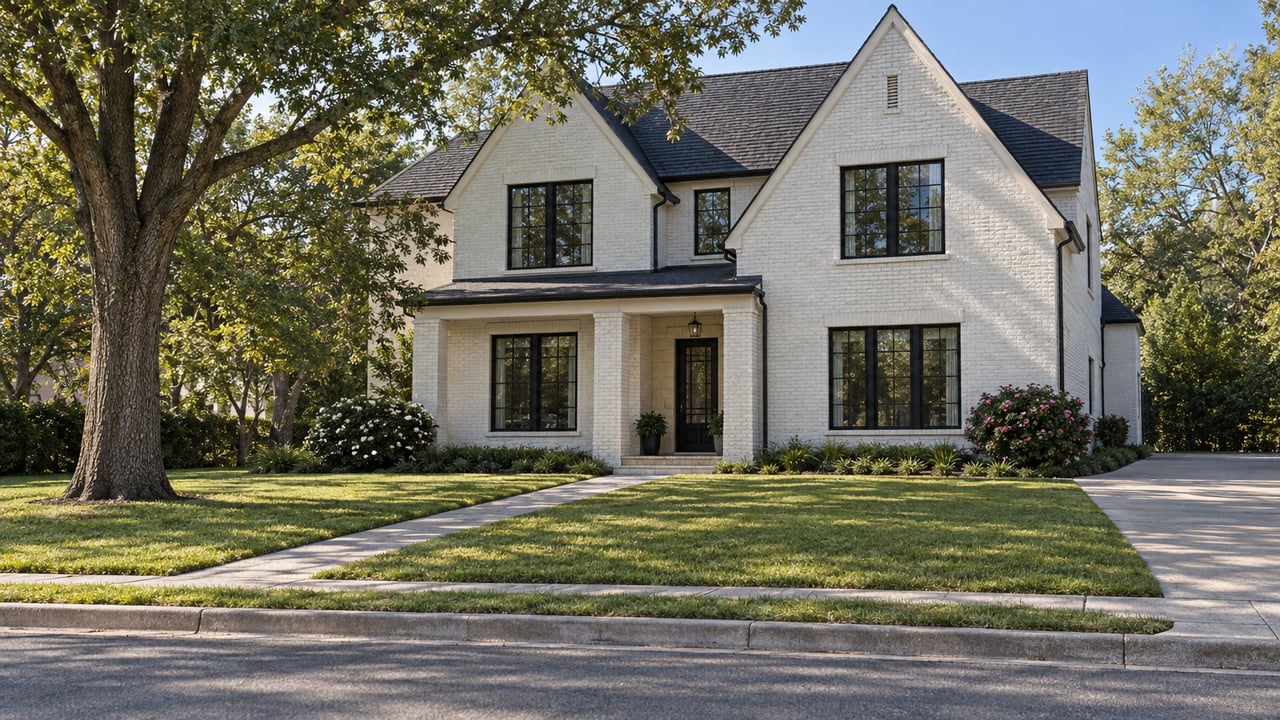
Walk into the sales office at almost any new construction community in West Cobb this fall and you'll see the same laminated sheet on the counter: a closing cost credit, maybe a rate buydown, sometimes both, all tied to one line at the bottom that says "with approved lender." It reads like a gift, but it is a trade whose terms may take work to evaluate on the spot. The credit is real. So is the higher rate that usually funds it. Whether the trade works in your favor depends on the numbers and on how long you plan to stay in the house.
That last part matters more in West Cobb than in most corridors, because this is where families move for the schools and then stay for the decade it takes to get a kid from kindergarten through graduation. A trade that looks good on a five-year time horizon can flip against you well before that run is over.
Understanding the Incentive Sheet
Builders with in-house or "preferred" mortgage arms fund their incentives somewhere, and that somewhere is usually the interest rate. Industry mortgage guides tracking 2026 construction lending are consistent on the range: builder-affiliated lenders tend to price loans about a quarter point to a half point above what an independent lender would quote on the same file, even after the credit is applied. The incentive isn't subtracted from your total cost. It's shifted from one column to another, from cash due at closing into interest paid over the life of the loan.
A rate buydown can lower the advertised monthly payment without changing the list price. Compare the financing terms as well as the sale price when evaluating an offer.
What the Math Actually Looks Like
Here's a version of the trade sized to a starter price point you'll find in West Cobb right now. Traton Homes has townhomes at Wildwood Place in Powder Springs priced from the $315s, which with a typical set of upgrades lands close to a $350,000 loan.
| Builder's preferred lender | Outside lender | |
|---|---|---|
| Closing cost credit | roughly $10,000 | $0 |
| Rate, relative to independent quote | about a quarter point higher | market rate |
| Monthly payment difference | roughly $50 to $60 more | baseline |
| Extra interest paid over a full 30-year term | roughly $18,000 to $20,000 | — |
Run the numbers past the sticker shock and a pattern shows up. Dividing the $10,000 credit by the $50 to $60 monthly gap gives an estimate of when the trade stops being a discount and starts being a cost. On these figures that crossover lands somewhere around 14 to 17 years into the loan. Sell, refinance, or pay off the mortgage before that point and the builder's lender was the better deal. Stay in the house longer than that, which is exactly what a lot of West Cobb buyers plan to do when the reason they moved was the school zone, and the credit you took at closing has quietly turned into the more expensive path.
None of this means the preferred lender is a bad choice. It means the sheet handed to you at the sales table answers "what do I get today"; the longer-term cost depends on your loan terms and how long you keep the loan.
Why This Shows Up So Often Right Now
Incentives aren't a West Cobb quirk. They're a response to where the broader Georgia market sits heading into fall 2026. Eugene James, chief market strategist at MarketNsight, described the spring 2026 environment plainly in comments to the Atlanta Real Estate Forum: incentives are the name of the game right now, because buyers expect them and builders are using them to keep pace. Inventory has been climbing statewide, supply across new and resale combined running around four months as of spring 2026, and lot prices in Georgia have risen roughly 122 percent over the past seven years, which raises the floor under what a builder can afford to cut from an actual list price without hurting future phases of the same community.
That combination, higher land costs and more competition for a slower buyer pool, can make financing incentives more attractive to builders than sticker-price cuts. The list price on a new West Cobb home can look flat next to last year's comps while the buyer's total cost depends on the financing terms as well as the sale price.
What Georgia Law Actually Says About the Lender You Use
The preferred lender arrangement is legal, and it comes with real limits worth knowing before you sit down at a builder's table. Under federal RESPA rules, a seller, including a builder, cannot require a buyer to use a specific lender as a condition of the sale. Builders are allowed to recommend a preferred lender and offer incentives tied to using it, but they're required to disclose the financial relationship between the builder and that lender through an Affiliated Business Arrangement disclosure, a requirement spelled out directly in the Consumer Financial Protection Bureau's regulations.
In practice this means you can decline the preferred lender and go with your own without the builder raising the price of the home to make up the difference. What the builder can do is withdraw the incentive that was tied to using their lender. That's the actual choice on the table: keep the credit and accept the higher-rate math above, or walk in with your own financing and give up the credit but keep the independent rate.
Three Numbers to Get From the Builder Before You Sign
A buyer's agent who works new construction regularly will ask for these up front, and you can ask for them yourself even before you have representation:
- The preferred lender's actual rate sheet, not just the advertised payment. Ask for the same loan product, same rate lock period, same points, and put it side by side with an independent quote.
- The total incentive amount and where it can be applied. Some builder credits are restricted to specific costs, like the design center or a rate buydown, and can't be moved to whatever the buyer actually needs.
- The full closing cost estimate from both lenders, since closing costs on new construction typically run in the same range as resale, and a credit that looks generous can be partly absorbed by higher origination fees on the preferred lender's side.
Getting independent pre-approval before the first builder meeting also changes the leverage in the room. A buyer who already has financing lined up isn't dependent on the builder's lender to close, and that changes what the builder is willing to negotiate on both the incentive and the price.
A Few Questions Worth Asking First
Does using an outside lender ever make sense even without matching the credit? Sometimes, if the rate spread is wide enough or if you expect to be in the home well past the breakeven point on your specific loan size. It's worth running your own numbers rather than assuming the credit always wins.
Can the builder charge more for the house if I bring my own lender? No. RESPA prohibits tying the sale of the property itself to use of a particular lender. The builder can decline to extend the financing incentive, but the purchase price of the home stays the same either way.
Is a temporary rate buydown different from a permanent one for this math? Yes, and it matters. A temporary buydown, common in a 2-1 structure, only lowers the rate for the first year or two before it steps back up to the full note rate, which changes the breakeven timeline entirely and is worth walking through loan by loan rather than assuming it behaves like a permanent reduction.
New construction in West Cobb, from Traton's estate lots at Lanesborough on Due West Road to the more accessible price points at Wildwood Place, isn't going anywhere. The builders are real, the communities are active, and the incentives on the table right now are a genuine part of how this market is pricing itself heading into 2027. Before signing, compare the incentive with the potential long-term cost of the loan.
If you're comparing a builder incentive against buying resale, or trying to figure out what a specific offer sheet actually means for your monthly payment ten years out, Stephanie Turner Lee can walk through the math with you community by community before you're at the table. Schedule a free consultation and bring the incentive sheet.
This article is general information, not legal, tax or financial advice. Consult a qualified professional about your situation.