Wondering whether Marietta’s older homes near the Square or its newer subdivisions are the better fit for your life? It is a smart question, because these two parts of the market can feel very different day to day. If you are weighing charm against convenience, or walkable surroundings against more standardized community features, this guide will help you compare the real tradeoffs. Let’s dive in.
Marietta offers two distinct experiences
Marietta’s housing story reflects how the city grew over time. Official preservation materials show a compact historic network around the Square, while preservation records note that the city did not rapidly expand until after World War II. That helps explain why older core neighborhoods feel so different from later suburban-style development.
Near downtown, you will find a setting shaped by historic districts, preserved architecture, and a more established streetscape. In newer subdivisions around the city, the experience often centers more on organized community rules, shared services, and homes with newer systems. Neither is better for everyone. The right choice depends on how you want to live and what responsibilities you are comfortable taking on.
Historic homes near the Square
Historic Marietta has a strong identity. The city identifies five National Register historic districts, three locally designated residential historic districts, four local landmarks, and the Downtown Marietta Historic District. That concentration of preserved areas gives older neighborhoods a sense of continuity that many buyers notice right away.
The area around Marietta Square is also more than a collection of homes. The city describes the Square and Glover Park as a central gathering place with festivals, concerts, markets, shopping, antiques, restaurants, museums, theatres, and parking options. If you want a home where daily life can include downtown events and a more walkable rhythm, that setting may be a major draw.
What historic homes often look like
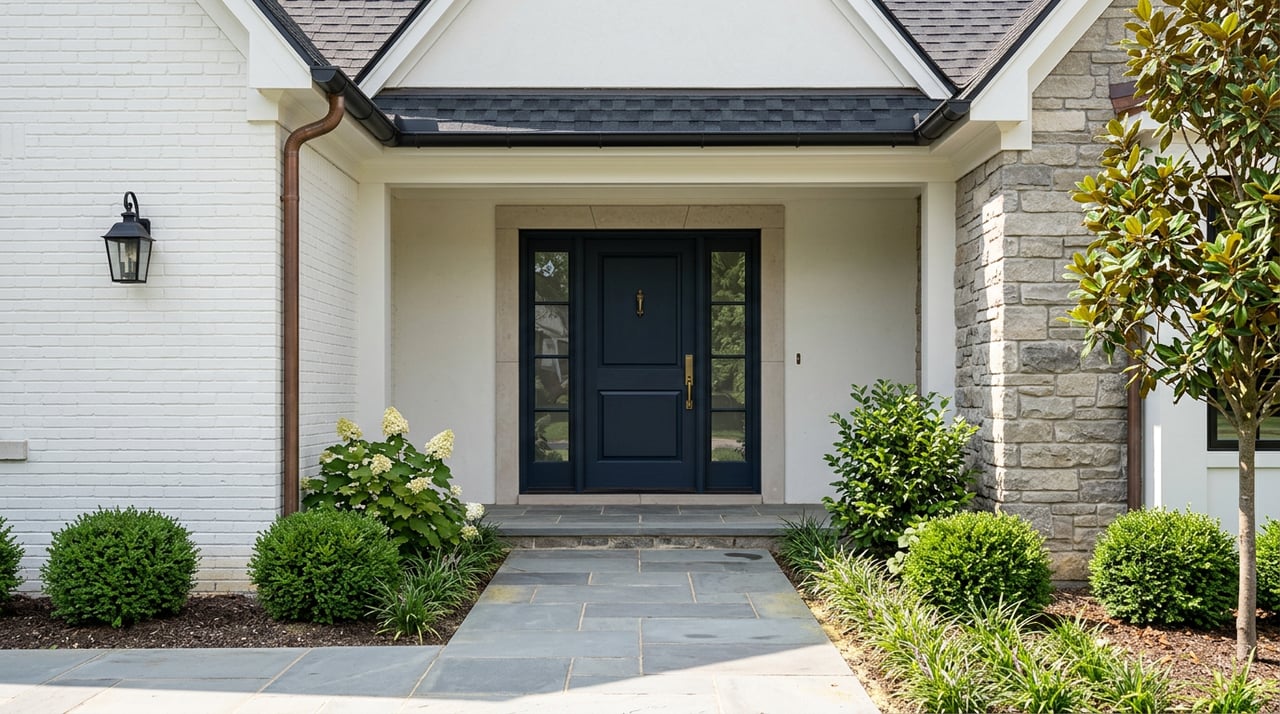
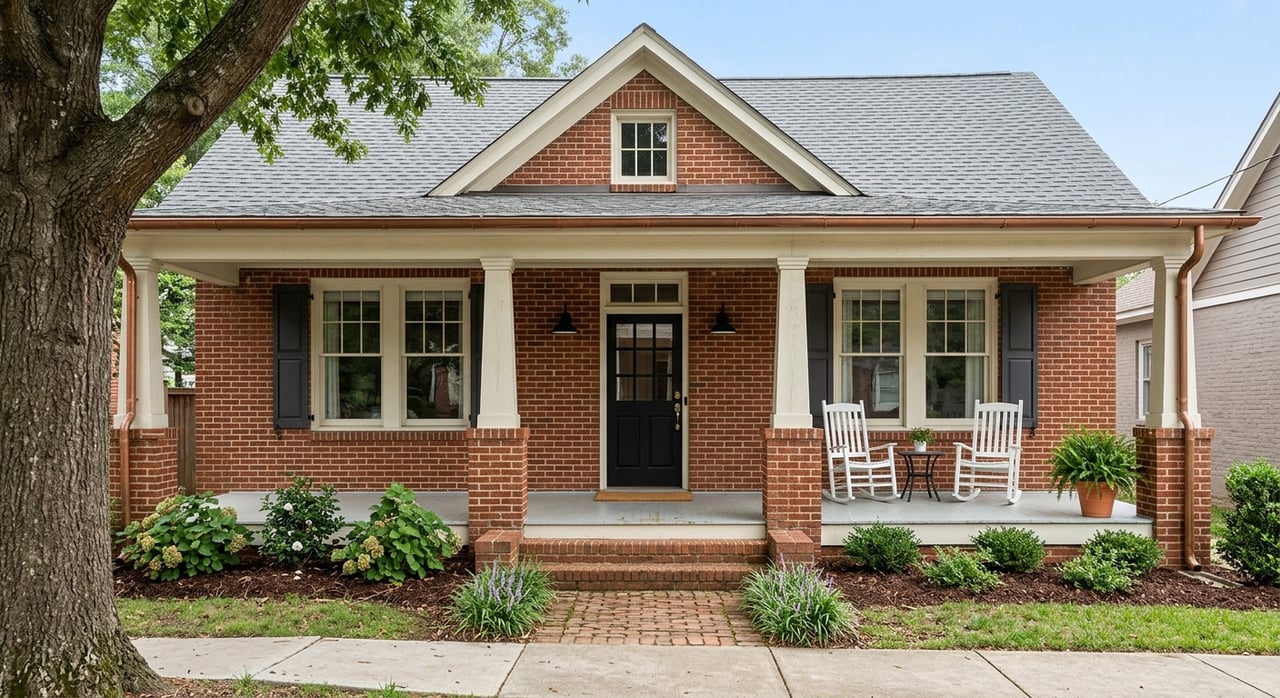
Official historic-district materials describe Victorian, Greek Revival, and classical design examples in older Marietta neighborhoods. They specifically reference well-defined Victorian streets on Kennesaw Avenue, Polk, and Church Streets. For buyers, that often means more architectural individuality and less of a repeated subdivision look.
That character is part of the appeal, but it is also part of what the city works to preserve. In the Downtown Marietta Historic District, the built environment is managed through design guidelines that address residential new construction, rehabilitation, maintenance, and color. In practical terms, the home’s exterior setting may come with more review than you would expect in a typical neighborhood.
Historic ownership means preservation review
One of the biggest practical differences with a designated historic property is the Certificate of Appropriateness process. Marietta’s ordinance says a Certificate of Appropriateness is required before a material change in appearance is made to a designated historic property or to a structure within a designated historic district. That includes visible exterior work involving items such as windows, doors, walls, fences, steps, and pavements.
At the same time, not every project triggers review. The ordinance separates ordinary upkeep from reviewable work by defining housecleaning as minor repair and general maintenance, and it excludes exterior paint color changes from the material-change definition. If you are considering an older home, one of the first questions to ask is whether the property is inside a designated district or simply near one.
Maintenance in older homes
Historic ownership often calls for a repair-first mindset. Preservation guidance from the National Park Service says the goal is usually ongoing maintenance and repair rather than extensive replacement. When replacement is necessary, the new element should match the old in design, color, texture, and, when possible, materials.
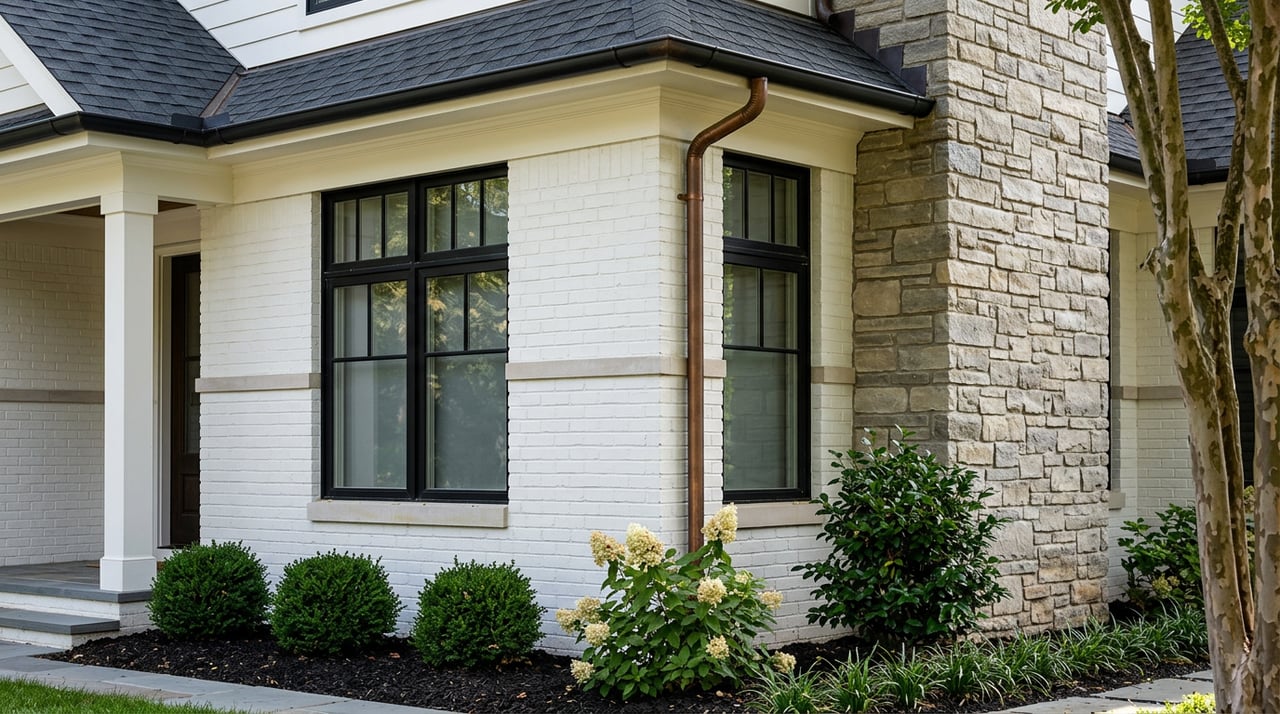
For you as a buyer, that can mean more planning when it comes to windows, trim, masonry, or exterior details. Older materials can last a long time when maintained well, but they may require more specialized attention. It is also wise to use a home inspection to evaluate structural and mechanical systems, especially HVAC and electrical, when a home has older finishes, systems, or signs of deferred maintenance.
Newer subdivisions offer a different structure
If historic homes are defined by preservation and architectural character, newer subdivisions are often defined by predictability and community structure. Many planned communities operate with homeowners associations, and that changes both your monthly costs and your ownership experience. HOA dues are usually separate from your mortgage, and the amount can vary widely.
Those dues often support shared expenses such as landscaping and other maintenance costs. That setup can feel convenient if you want a more managed community environment. It also means you should understand what the dues cover, how much they are, and how often they can change before you commit to a home.
New construction and warranty coverage
Another advantage often tied to newer homes is builder warranty coverage. The FTC says most newly built homes come with a builder warranty. Typical coverage is limited, often including one year for workmanship and materials, two years for HVAC, plumbing, and electrical systems, and up to ten years for major structural defects.
That does not remove the need for inspection, but it does create a different risk profile from an older home. If you like the idea of newer systems, more standardized construction, and some level of builder-backed coverage, a newer subdivision may feel more straightforward. For many buyers, that peace of mind matters just as much as square footage or finishes.
Lifestyle is the real deciding factor
For many buyers, the biggest difference is not the age of the home. It is the daily rhythm. Near Marietta Square, the city’s description points to a downtown, event-centered setting where civic activity and preserved streetscapes shape the experience.
In newer subdivisions, the pattern is often more suburban and organized around shared services, HOA standards, and newer infrastructure. That can be a good fit if you value consistency and community systems. It can also be a tradeoff if you are drawn to the individuality and historic feel of older neighborhoods.
Questions to ask before you choose
Whether you are leaning historic or newer, the best decision starts with the right questions. A side-by-side comparison can help you focus on the issues that matter most during your search.
| Topic | Historic Home Near the Square | Newer Subdivision Home |
|---|---|---|
| Setting | Closer to Marietta Square’s downtown events and preserved streetscapes | More suburban setting with organized community structure |
| Exterior changes | May require a Certificate of Appropriateness for material exterior changes | Usually governed by HOA rules rather than historic review |
| Maintenance style | Often repair-first, with more specialized planning for historic features | Newer systems may offer a more predictable maintenance outlook |
| Fees and oversight | Preservation review may shape exterior projects | HOA dues may cover shared services and maintenance |
| Warranty coverage | Typically no comparable builder-backed warranty | New homes often include limited builder warranty coverage |
As you narrow your options, ask:
- Is this home inside a designated historic district or only near one?
- What exterior changes require a Certificate of Appropriateness?
- What do the HOA dues cover, and how often can they increase?
- Is there a builder warranty, and what is excluded?
- What did the home inspection reveal about systems, maintenance, and future costs?
Budget matters in both options
No matter which style of home you prefer, your total housing budget needs to go beyond the mortgage payment. Ongoing costs can include property taxes, insurance, maintenance, utilities, and HOA fees. These costs can be significant and can change over time.
That matters in Marietta because the financial differences between a historic home and a newer subdivision home are not always obvious at first glance. A home with lower HOA costs may need more specialized maintenance. A newer home with fewer repair needs today may still come with monthly dues and future community assessments. Looking at the full picture helps you choose with confidence.
Which type of Marietta home fits you?
A historic home near the Square may be right for you if you value architectural character, a preserved streetscape, and proximity to downtown events, dining, and everyday activity. It also helps if you are comfortable with preservation review and a more thoughtful approach to exterior maintenance and updates.
A newer subdivision may be the better fit if you want newer systems, some builder warranty coverage, and a community structure that often includes shared services through HOA dues. You may give up some architectural uniqueness, but you may gain a more standardized ownership experience.
If you want help comparing Marietta neighborhoods, evaluating older homes versus newer construction, or figuring out which option best fits your budget and lifestyle, Stephanie Turner Lee can help you make a confident move.
FAQs
What is the main difference between historic Marietta homes and newer subdivisions?
- Historic homes near the Square often offer architectural character, preserved streetscapes, and a more walkable downtown setting, while newer subdivisions often offer newer systems, HOA-managed shared services, and a more standardized ownership structure.
What exterior changes require approval in Marietta historic districts?
- Marietta’s ordinance says a Certificate of Appropriateness is required for material changes in appearance to designated historic properties or structures within designated historic districts, including visible exterior work such as windows, doors, walls, fences, steps, and pavements.
What should buyers know about HOA dues in newer Marietta subdivisions?
- HOA dues are usually separate from the mortgage, can vary widely, and often help cover shared expenses such as landscaping and other maintenance costs.
What does a builder warranty usually cover on a newer Marietta home?
- Typical builder warranty coverage often includes one year for workmanship and materials, two years for HVAC, plumbing, and electrical systems, and up to ten years for major structural defects.
What should buyers inspect in an older Marietta historic home?
- Buyers should use a home inspection to evaluate structural and mechanical systems, especially HVAC and electrical, along with any signs of deferred maintenance or older exterior materials that may need specialized care.