Trying to choose between a brand-new home and a resale in East Cobb? You are not alone. This is one of the most common questions buyers ask, especially when you want the right mix of layout, lot size, condition, and monthly cost. The good news is that East Cobb offers both, and each option comes with clear trade-offs that are easier to sort through once you know what to compare. Let’s dive in.
East Cobb market at a glance
East Cobb gives you options, but new construction is still a smaller share of the market. As of June 2026, Redfin shows 83 new homes for sale out of 883 total listings in East Cobb. That means resale homes make up most of the visible inventory.
Pricing also helps frame the decision. Redfin reports a recent median sale price of $519,807 for East Cobb over the three months ending April 2026, while the median listing price for new homes is $575,000. In simple terms, many new builds are entering the market above the area’s recent resale median.
This is also not a one-size-fits-all new construction market. Current new homes range from a 3-bedroom, 2-bath, 1,470-square-foot home listed around $395,000 to a luxury 6-bedroom, 6.5-bath home listed at $1.995 million. You may also see townhomes starting around $499,000, which means “new construction” in East Cobb can mean very different things depending on your goals.
What new construction offers in East Cobb
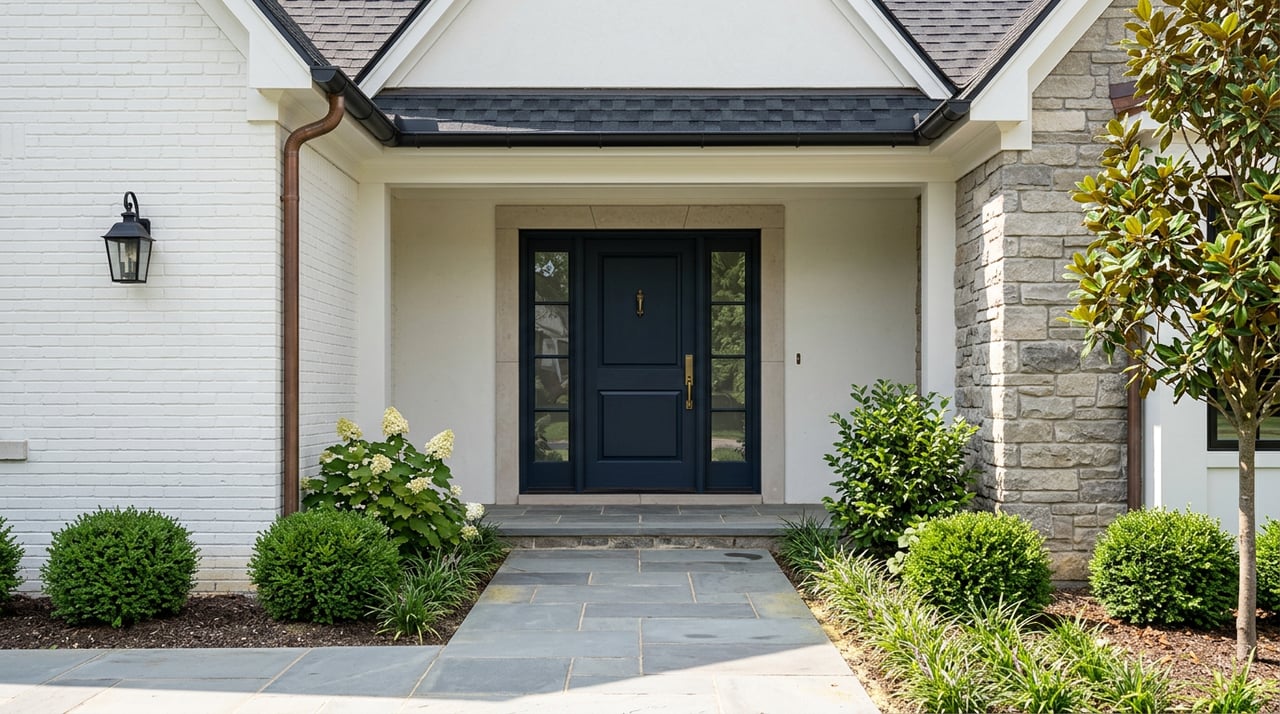
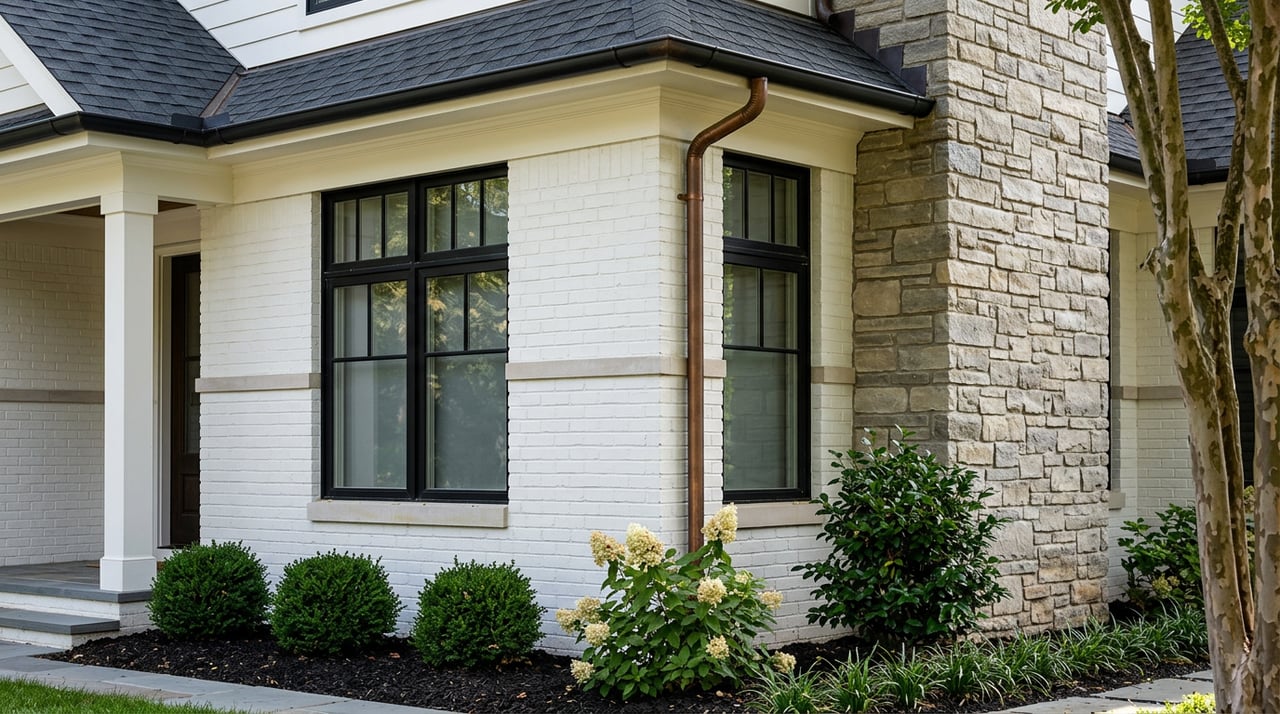
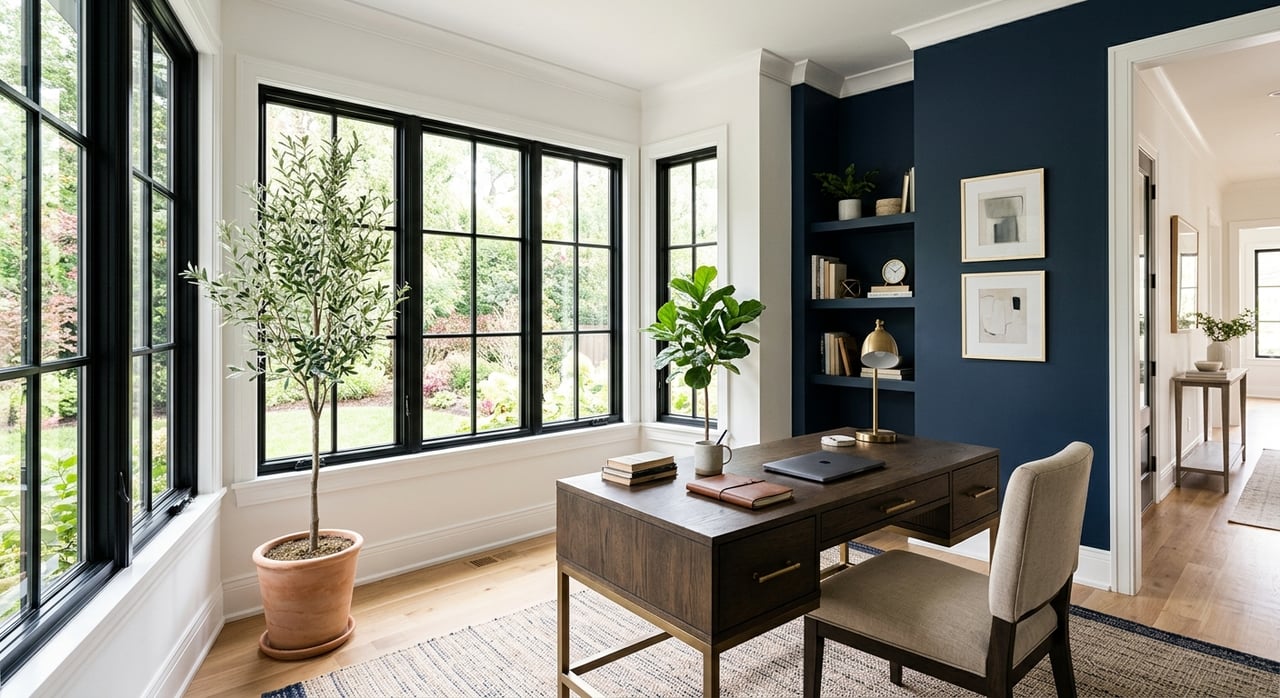
New construction often appeals to buyers who want a more current layout, newer systems, and less immediate repair work. In East Cobb, that can include lower-maintenance townhomes, infill homes, and custom or semi-custom luxury properties. The category is broad, so it helps to compare specific homes rather than rely on assumptions.
Some current examples show the variety. East Cobb Walk features townhomes with about 2,007 square feet, 3 bedrooms, and 3.5 baths, plus amenities like a private pool and cabana. On the higher end, Stone Hall includes an 18-lot gated community with approximate half-acre sites and homes starting from $1.5 million.
You may also find builder incentives. One current East Cobb Walk listing includes up to $12,000 in seller-paid closing costs when using the builder’s preferred lender. That kind of incentive can affect your upfront cash needs, so it is worth comparing alongside the purchase price.
New construction pros to consider
If you are leaning toward a new build, these are some of the biggest advantages in East Cobb:
- More modern floor plans and finishes
- Fewer near-term repairs in many cases
- Potential builder incentives on closing costs
- Move-in-ready options in some communities
- Warranty coverage that may help with early ownership issues
Many buyers also like the chance to personalize finishes, depending on the stage of construction. If having a fresh, untouched home matters to you, that can carry real value even if the price is higher.
New construction trade-offs to watch
The main trade-offs usually come down to lot size, HOA structure, and timing. Some new homes sit on smaller lots than resale properties, especially townhomes or infill builds. Current East Cobb examples range from a 0.062-acre townhome site to 0.48-acre and half-acre estate lots, so the specific property matters more than the label.
Timing can also be less flexible than many buyers expect. Cobb County’s residential permitting process includes permit approval and required inspections, and the county’s inspections office enforces building codes in unincorporated parts of Cobb County. If the home is not complete yet, your move-in date may depend on construction progress, scheduling, and inspection milestones.
What resale offers in East Cobb
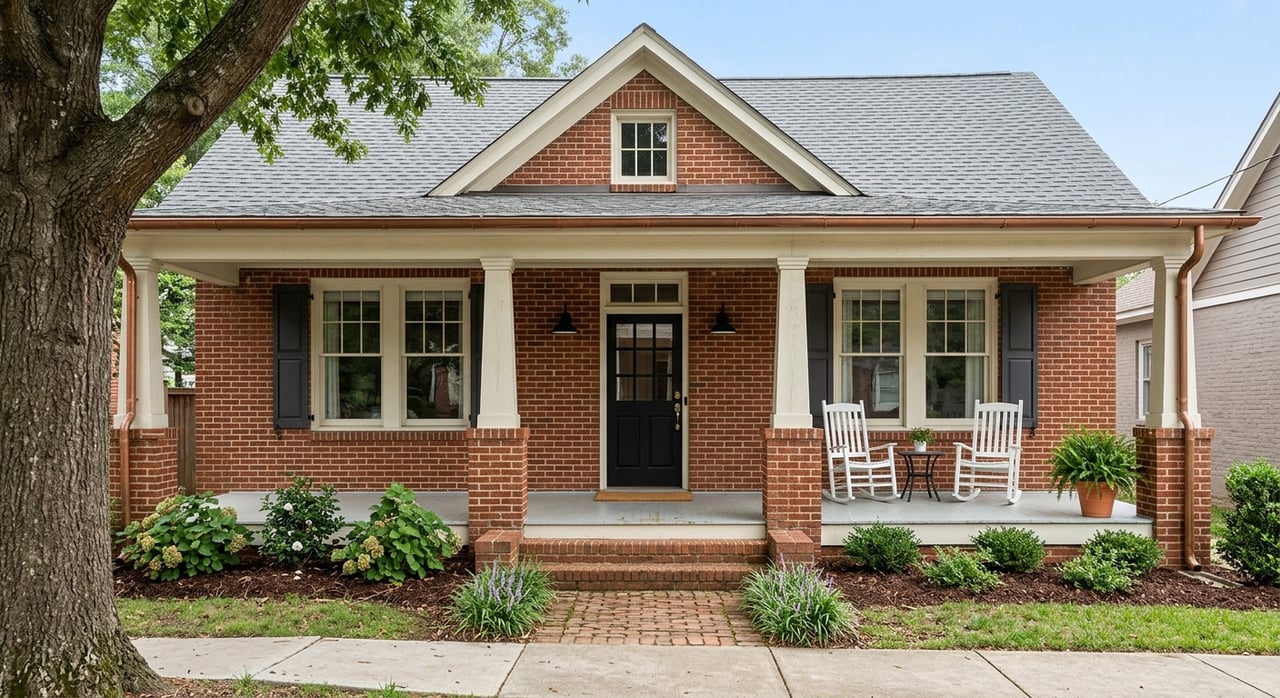
Resale homes give you a different kind of value. In East Cobb, they often offer established surroundings, more visible yard and street context, and a wider range of lot sizes and home ages. If you want to see how a property fits into its setting before you buy, resale can make that easier.
Current East Cobb resale inventory includes homes built in 1951, 1956, 1963, 1982, 1989, 1995, 2017, and 2019. Lot sizes in active examples include 8,454 square feet, 0.28 acre, 0.41 acre, 0.46 acre, and 0.69 acre. That mix gives buyers a wider range of space and neighborhood feel than they may find in a smaller new-construction pipeline.
Many resale homes also sit in established communities with features like basements, sidewalks, pools, or no HOA. For some buyers, that mature setting is a major advantage. You can usually get a better sense of traffic flow, landscaping, privacy, and outdoor use because the neighborhood is already built out.
Resale pros to consider
Resale may be the better fit if you care most about these features:
- Larger or more mature lots
- Established landscaping and neighborhood character
- More visible street and yard context
- A broader mix of home styles and build years
- Potential access to features like basements or no HOA
This can be especially helpful if outdoor space is high on your list. In East Cobb, resale homes often make it easier to compare yard size, tree coverage, slope, and privacy before you commit.
Resale trade-offs to watch
Resale usually requires a closer look at condition. Older homes may have updated systems, but they can also come with more repair history and more components to evaluate. That makes inspections especially important.
One current East Cobb resale listing on Casteel Road highlights updates like a new HVAC system, gas water heater, basement waterproofing, attic insulation, and PEX plumbing. That is a good reminder that resale value often depends on what has already been improved and what may still need attention.
Compare the total monthly cost
One of the biggest mistakes buyers make is focusing only on the list price. In East Cobb, the smarter comparison is total monthly cost plus expected near-term expenses. A home with a lower price is not always the better deal if it needs major work soon after closing.
On the other hand, a new home with a higher price may come with incentives that reduce upfront costs. With East Cobb new homes showing a median list price of $575,000 and the broader market showing a recent median sale price of $519,807, you need to compare more than the headline number. Closing-cost help, HOA dues, property size, and likely repair needs all shape the true cost of ownership.
Questions to ask when comparing costs
Use this checklist when you weigh new construction against resale:
- What is the monthly payment at the current price?
- Are there HOA dues, and what do they cover?
- Is the builder offering closing-cost incentives?
- What repairs or updates might be needed in the first 1 to 3 years?
- Does the lot size and layout match how you want to live?
- Are you paying extra for finishes, location, land, or convenience?
These questions can quickly reveal whether you are paying for things you truly value.
Inspections still matter for both
A lot of buyers assume a new home does not need an inspection. That is not the best approach. Phased new-construction inspections can include a pre-drywall inspection and a final inspection before closing, and many builders offer a one-year warranty that prompts buyers to schedule an additional inspection around the 10- to 11-month mark.
Resale homes deserve the same level of care. A buyer may still choose an inspection even when a home is sold as-is. When you are comparing older systems, prior repairs, and renovation quality, an inspection helps you make a clearer side-by-side decision.
Lot size, HOA, and timing often decide it
In East Cobb, the right answer is often less about age and more about lifestyle fit. If you want lower maintenance, modern finishes, and less immediate repair work, new construction may feel like the better match. If you want a more mature lot, established surroundings, and a clearer picture of the street and yard, resale may win.
Lot size is one of the most important filters. Cobb County zoning districts for single-family homes include minimum lots ranging from 15,000 to 80,000 square feet, which helps explain why lot sizes vary so much across East Cobb. You should also confirm whether a home is in unincorporated Cobb County or within city limits, since zoning and permitting rules can differ by jurisdiction.
How to make the best choice for you
If your top priorities are newer systems, modern design, and a simpler move-in process, start with new construction. If your top priorities are land, neighborhood maturity, and seeing the full context of the property before you buy, start with resale. In either case, the best decision usually comes down to how you rank lot size, HOA structure, timing, and inspection risk.
East Cobb gives you meaningful choices, but the details matter. Looking only at “new” or “resale” can cause you to miss the better fit. The smartest buyers compare the specific property, the monthly cost, and how the home supports daily life over the next several years.
If you want help sorting through East Cobb new builds, resale options, or both, Stephanie Turner Lee can help you compare the details, narrow your options, and move forward with confidence.
FAQs
Are new homes hard to find in East Cobb?
- Yes. As of June 2026, Redfin shows 83 new homes for sale out of 883 total East Cobb listings, so new construction is a smaller part of the market than resale.
Do East Cobb new construction homes still need inspections?
- Yes. New homes can involve phased inspections such as pre-drywall and final inspections, and many buyers also schedule a warranty-period inspection before the one-year mark.
Do East Cobb resale homes usually have larger lots?
- Often, yes, but not always. East Cobb includes both small-lot new builds and larger resale properties, so you should compare the actual lot size of each home rather than assume based on age.
Is new construction always more expensive in East Cobb?
- Not always. Current East Cobb new homes have a median listing price above the area’s recent median resale sale price, but product type, lot size, builder incentives, and condition can make either option the better value.
Should East Cobb buyers confirm county or city rules for a property?
- Yes. Cobb County distinguishes unincorporated county areas from city limits, so buyers should verify which jurisdiction applies to the exact address before assuming zoning or permitting standards.