If you are deciding between East Cobb and in-town Atlanta, you are really choosing between two very different ways of living day to day. One is more suburban and drive-oriented, while the other tends to offer a denser, more mixed urban experience. Understanding how those differences show up in your housing options, commute, and daily routine can help you make a smarter move with more confidence. Let’s dive in.
East Cobb and In-Town Atlanta Feel Different
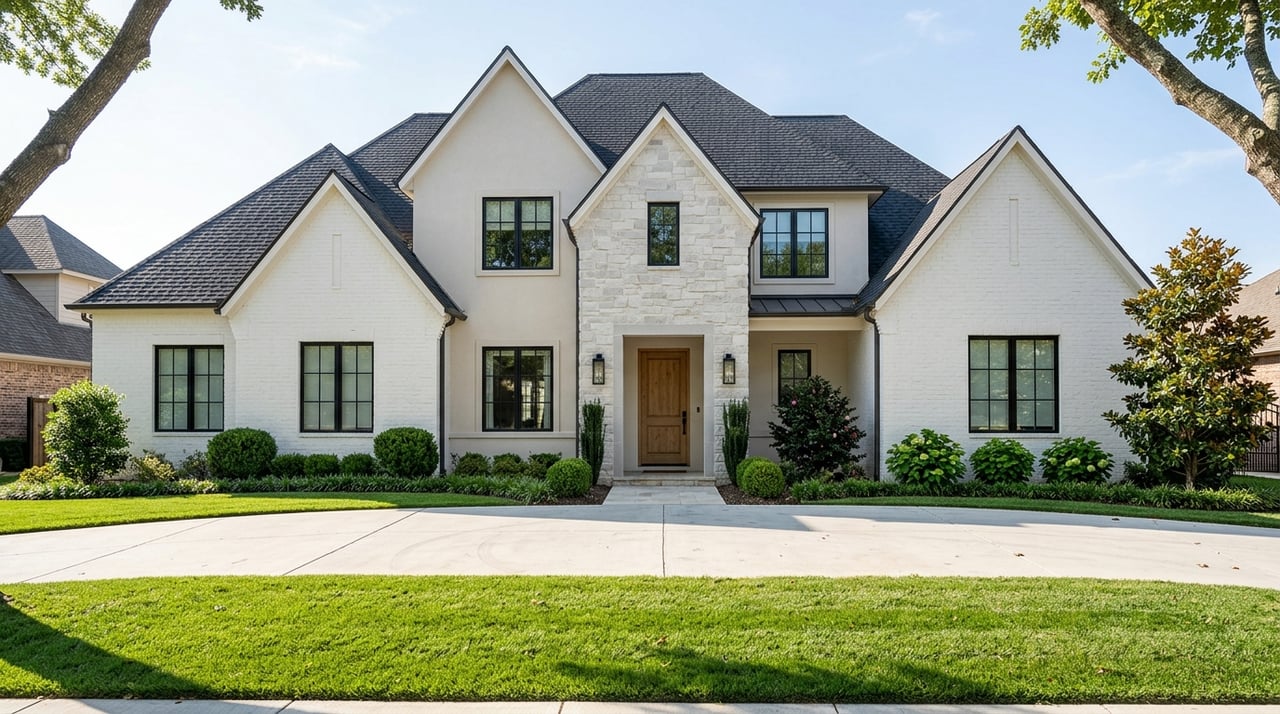
East Cobb fits the profile of an established Cobb County suburb. Regional planning describes this area as built out, with single-family subdivisions and retail along major corridors. That creates a lifestyle that often feels more predictable, residential, and centered on home, yard, and errands by car.
In-town Atlanta works differently. The city is organized through 25 Neighborhood Planning Units and more than 240 neighborhoods, which supports a more varied neighborhood pattern. In practical terms, that means your day-to-day experience can shift a lot depending on where you live, from condo-heavy districts to blocks with detached homes and mixed-use development nearby.
Housing Style Shapes Your Lifestyle
East Cobb leans detached and suburban
If you picture a traditional suburban setup, East Cobb is often closer to that image. Cobb County reports that 71% of its housing stock is made up of one-unit detached homes, with one-unit attached homes accounting for 7% and multifamily housing making up a smaller share. That housing mix helps explain why East Cobb often feels defined by subdivisions, cul-de-sacs, and retail corridors rather than dense urban blocks.
This type of housing can appeal to buyers who want more separation between homes and a more conventional neighborhood layout. It also tends to support buyers looking for move-up options, larger floor plans, or a home that feels more rooted in a suburban setting.
In-town Atlanta offers more variety
In-town Atlanta gives you more housing formats in closer proximity. The city’s planning framework supports mixed-use development, pedestrian-oriented storefronts, flexible building types, and transit-supportive design. That leads to a more blended housing environment where condos, apartments, townhomes, infill homes, and detached homes can all exist within the same broader area.
For you, that means more choice in how you live. If you want a lower-maintenance property, a condo near activity centers, or a townhome with urban access, in-town Atlanta may offer more options than East Cobb.
Daily Rhythm and Neighborhood Patterns
East Cobb is organized around corridors
A big part of suburban life in East Cobb comes from how the area is laid out. Cobb County highlights shopping and recreation anchors like The Avenue at East Cobb, along with a road network shaped by I-75 and major arterial roads. That gives East Cobb a practical, drive-first rhythm where errands, dining, and recreation are often clustered along key corridors.
For many buyers, that setup feels efficient and familiar. You may appreciate having subdivisions, shopping areas, and major roads work together in a way that makes everyday routines straightforward.
In-town Atlanta is more layered
In-town Atlanta tends to feel more varied from one neighborhood to the next. Because the city includes hundreds of neighborhoods and a planning structure built around neighborhood-level input, the urban fabric is less uniform. One area may be centered on mixed-use blocks and apartments, while another may include older detached homes, townhomes, and smaller-scale neighborhood commercial areas.
That variety can be a major plus if you want more choice in atmosphere. It also means you may need to evaluate in-town Atlanta block by block instead of assuming the city functions as one single market or lifestyle category.
Commute and Mobility Matter
East Cobb is more drive-first
Cobb County’s transportation pattern is strongly tied to freeway access and commuter-road management. The county also promotes its road network and access to major highways as part of its quality of life story. If you live in East Cobb, driving is usually the default for work, shopping, and social plans.
That does not mean commuting is dramatically longer. Census data shows mean travel time to work is 29.4 minutes in Cobb County, compared with 26.5 minutes in Atlanta city. The difference is real, but not massive.
In-town Atlanta offers more ways to get around
The bigger difference is transportation choice. MARTA’s rail, bus, and streetcar system is centered primarily within the Atlanta perimeter and includes 48 rail miles, 38 train stations, and 2.7 miles of streetcar service. That gives many in-town residents more realistic transit options than you typically see in East Cobb.
If you value being able to mix driving, transit, and shorter trips for daily needs, in-town Atlanta may fit better. If you are comfortable relying mostly on your car and want a suburban home setting, East Cobb may feel more natural.
Stability and Household Patterns
Census figures help explain why East Cobb and in-town Atlanta can feel so different. In Cobb County, 67.0% of homes are owner-occupied, compared with 46.4% in Atlanta city. Cobb County also has 2.59 people per household versus 2.00 in Atlanta, and 86.0% of residents lived in the same house one year ago compared with 78.7% in Atlanta.
Those numbers suggest Cobb County is generally more settled, while Atlanta city is more mobile. That does not make one better than the other. It simply means East Cobb may feel more rooted and residential overall, while in-town Atlanta may feel more fluid and mixed in how people live and move.
Price Is Not a Simple East Cobb Versus Atlanta Story
East Cobb has a wide range
One of the biggest mistakes buyers make is assuming East Cobb fits one price bracket. Recent market snapshots show East Cobb-area ZIP codes with median listing prices around $400,000 in 30067, about $484,800 in 30066, about $589,000 in 30062, and about $700,000 in 30068. That is a wide spread, and it shows how much pricing can change from one pocket to another.
So if you are searching East Cobb, it helps to think in micro-markets. Some areas may feel more attainable for buyers entering the detached-home market, while others land firmly in upper-mid-market territory and beyond.
In-town Atlanta is also highly uneven
Atlanta citywide had a median listing price of about $379,000 in April 2026, but the city is far from uniform. Downtown was around $245,000, Midtown around $350,000, Intown South around $350,000, Buckhead around $465,000, North Buckhead around $582,450, and Eastside around $540,000. That range is one reason broad city-versus-suburb comparisons can be misleading.
In other words, in-town Atlanta can be less expensive than East Cobb in some areas, but just as expensive or more expensive in others. The more useful comparison is often this: East Cobb tends to offer more detached suburban housing, while in-town Atlanta offers a broader mix of housing types at many price points.
Which Lifestyle Fits You Best?
East Cobb may fit if you want:
- A detached home market with strong suburban character
- A neighborhood pattern shaped by subdivisions and major corridors
- A more settled, owner-occupied feel
- A lifestyle built around driving and highway access
- More focus on traditional single-family living
In-town Atlanta may fit if you want:
- More housing variety, including condos and townhomes
- Greater access to transit-supported areas
- A denser neighborhood environment
- More walkable, mixed-use settings in some areas
- A wider mix of urban neighborhood styles
The Smartest Way to Compare Them
The best comparison is not suburban good versus urban good. It is about matching your daily priorities to the place that supports them. If your top priorities are detached homes, suburban routines, and a more settled residential pattern, East Cobb may check more boxes.
If your priorities lean toward housing variety, neighborhood density, transit access, and a more urban feel, in-town Atlanta may make more sense. Both markets are diverse, and both require a neighborhood-level strategy if you want to buy wisely.
That is where local guidance matters. When you compare East Cobb with in-town Atlanta through the lens of budget, housing type, commute habits, and everyday lifestyle, the right choice usually becomes much clearer.
If you are weighing East Cobb against in-town Atlanta and want help narrowing your options, Stephanie Turner Lee can help you compare neighborhoods, price points, and home styles with a practical local perspective.
FAQs
Is East Cobb more suburban than in-town Atlanta?
- Yes. East Cobb reflects an established suburban pattern with single-family subdivisions and retail along major corridors, while in-town Atlanta includes a denser mix of neighborhoods and housing types.
Are homes in East Cobb more expensive than homes in in-town Atlanta?
- Not always. East Cobb and in-town Atlanta both include a wide range of price points, so the better comparison is by neighborhood or ZIP code rather than by broad area alone.
What housing types are more common in East Cobb?
- Detached single-family homes are the most common housing type in Cobb County, which helps give East Cobb its suburban character.
Does in-town Atlanta offer better transit access than East Cobb?
- In general, yes. MARTA’s rail, bus, and streetcar network is centered primarily within the Atlanta perimeter, giving many in-town areas more transit options than East Cobb.
Is East Cobb better for buyers who want a settled residential feel?
- Census data suggests Cobb County has higher owner-occupancy and higher same-house retention than Atlanta city, which can make East Cobb feel more settled overall.