Trying to make sense of Marietta’s neighborhoods? You are not alone. From charming streets around Marietta Square to swim-and-tennis subdivisions and newer communities with HOA amenities, each area offers a different lifestyle, price point, and set of rules. In this guide, you will learn how the city is organized, what homes and lots typically look like in each area, and what to watch for during your home search. Let’s dive in.
First, learn the local map
Before you fall in love with a house, confirm whether it sits inside the City of Marietta or in unincorporated Cobb County. This affects zoning, permitting, schools, and taxes. Addresses inside city limits fall under Marietta City Schools; outside the city you are in Cobb County School District. It is smart to verify an exact address using the district’s lookup tools, since attendance zones can change. You can review a helpful city-versus-county overview in the Marietta moving guide and then confirm a specific address on the district’s attendance zone page.
- Read an overview of city vs. county and school basics in the Marietta moving guide: Marietta.com moving guide
- Verify a specific address for Cobb County School District: Cobb attendance zones
For commuting, major roadways include I-75, US-41, and the 120 Loop. Local bus service is available through CobbLinc with transfers to MARTA, but most residents drive. For a quick primer on location and travel context, see this snapshot of Marietta’s setting northwest of Atlanta: Britannica’s Marietta overview.
Property taxes also differ between the city and county. City homeowners typically see separate city and Marietta City Schools millage components in addition to county line items, while unincorporated parcels do not include city components. Check the latest millage on city or county tax office pages when you get serious about a particular property.
Historic core near Marietta Square
What defines the area
Marietta Square is the city’s cultural heart, anchored by Glover Park, local shops, restaurants, festivals, and cultural venues. If you want a front-row seat to community life, this is where you feel it most. Learn more about the Square’s attractions and events here: Explore Georgia’s Marietta page.
Homes you will see
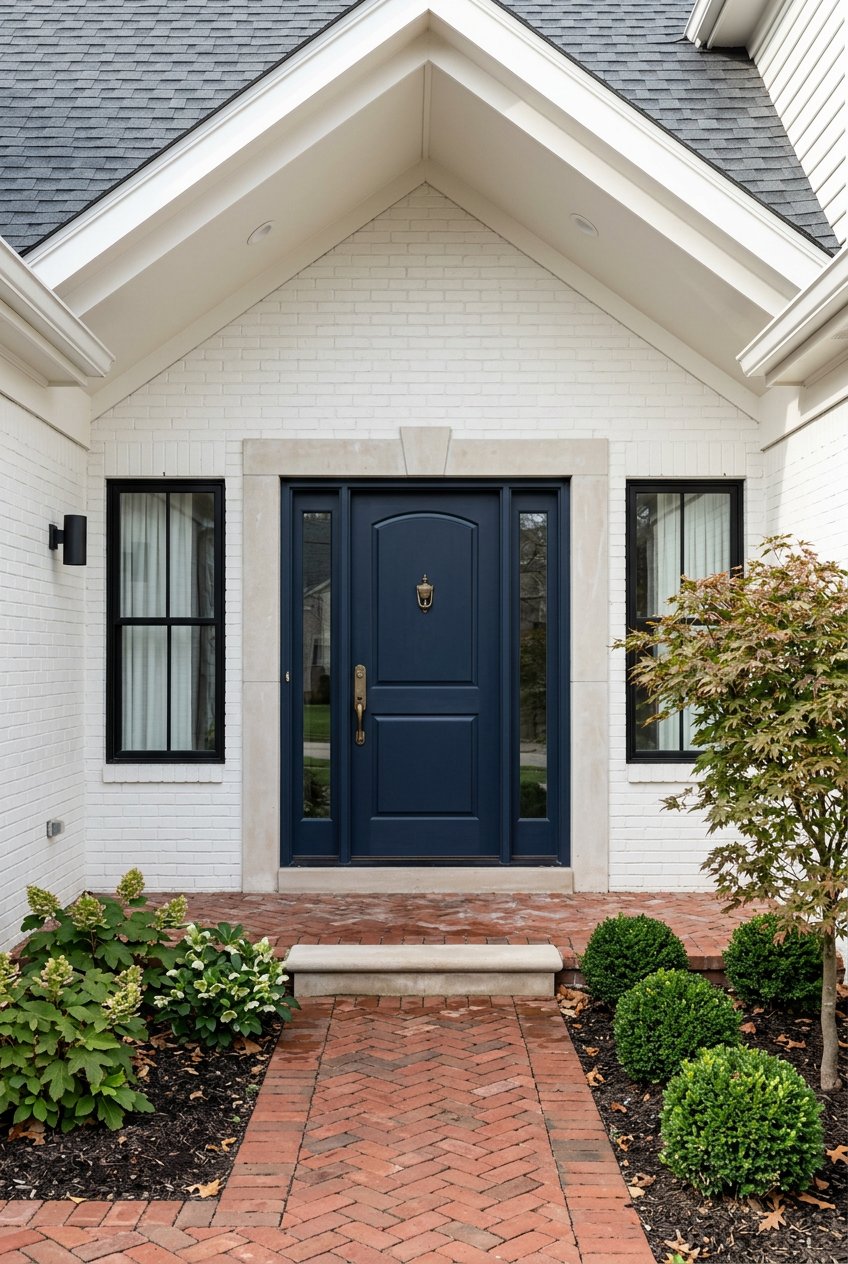
Around the Square, you will find locally designated and National Register historic districts such as Whitlock Avenue, Washington Avenue, Church–Cherokee, Northwest Marietta, and Forest Hills. Expect Victorian and Queen Anne architecture, Craftsman bungalows, early 20th-century revival styles, and some in-town lofts or townhomes. Lots tend to be smaller than in suburban pockets, often under 0.2 acre near the core. You can view the city’s list of historic districts here: City of Marietta historic districts.
Lifestyle and tradeoffs
You gain walkable access to restaurants, coffee, concerts, and frequent events. On the flip side, parking and yard size are limited. Many homes have been renovated over time, and some properties within local historic districts follow exterior design standards that protect neighborhood character.
Buyer tips for historic properties
If a home lies inside a local historic district, exterior changes typically need a Certificate of Appropriateness and review by the Historic Board of Review. Build extra time into your project plan and factor in design guidance for roofs, windows, siding, and additions. For rules and process, start here: Historic Board of Review.
Classic suburban Marietta
Neighborhood character
Just beyond the Square and spreading through parts of the city and nearby county, you will find established subdivisions that grew from the 1950s through the 1980s. Streets are shaded by mature trees, yards are larger, and you will see a mix of brick ranches, split-levels, and traditional two-stories that owners have updated over the years.
Homes and lots
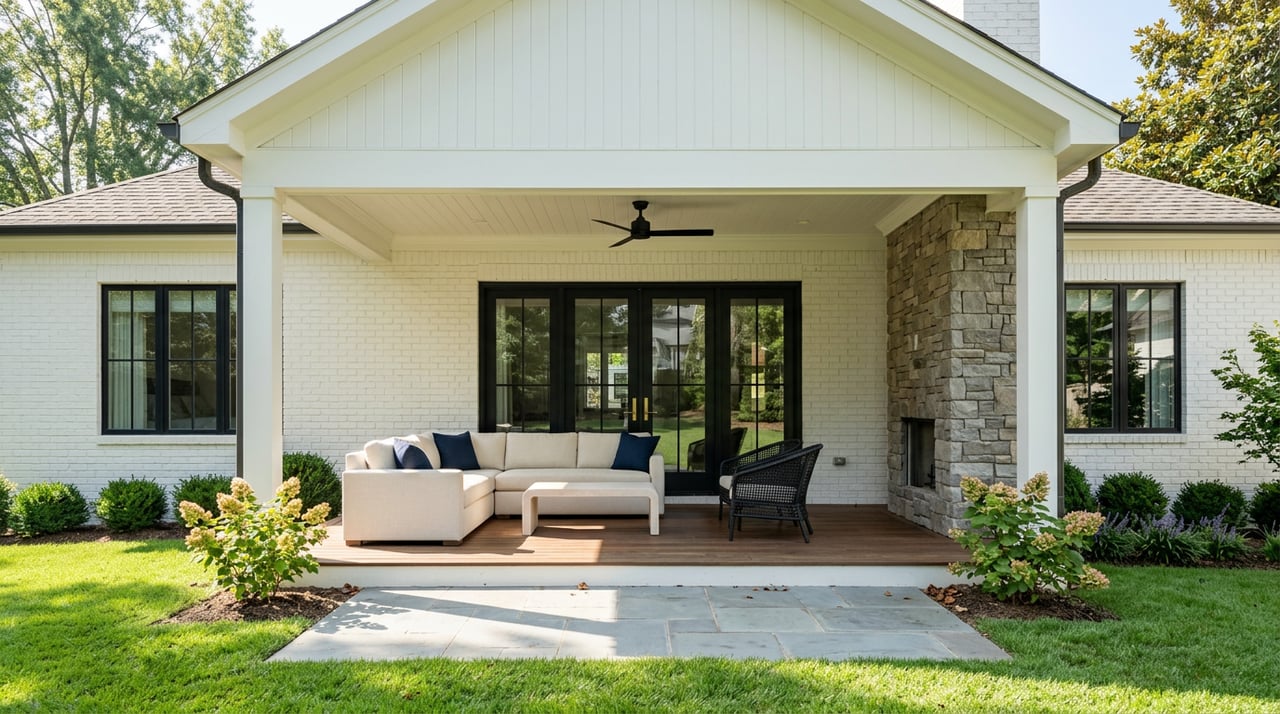
Many homes here have 3 to 4 bedrooms with flexible floor plans and lots that range from about a quarter acre up to a half acre or more, depending on the subdivision. Buyers often modernize kitchens and baths, finish basements, or add outdoor living spaces. If you like a classic look with room to garden or play, these neighborhoods are a strong fit.
Amenities and examples
You will find swim and tennis amenities in many communities, plus park access. Laurel Park offers tennis, walking loops, and open space nearby. Some subdivisions, such as Indian Hills, offer country-club style amenities and optional memberships at the neighborhood level. Explore a representative example of these community offerings here: Indian Hills amenities.
What to watch when buying
Older homes can deliver value, but budget for updates and inspections. In Georgia’s climate, a termite or wood-destroying organism inspection is routine and often required by lenders and insurers. Learn why WDO inspections are standard here: Georgia WDO inspection guidance. Also be attentive to foundations and drainage, since regional clay soils can affect slabs and crawl spaces over time. A qualified home inspector can advise if a structural engineer or specialist follow-up is prudent.
Newer East Cobb and West Cobb communities
Community design and HOAs
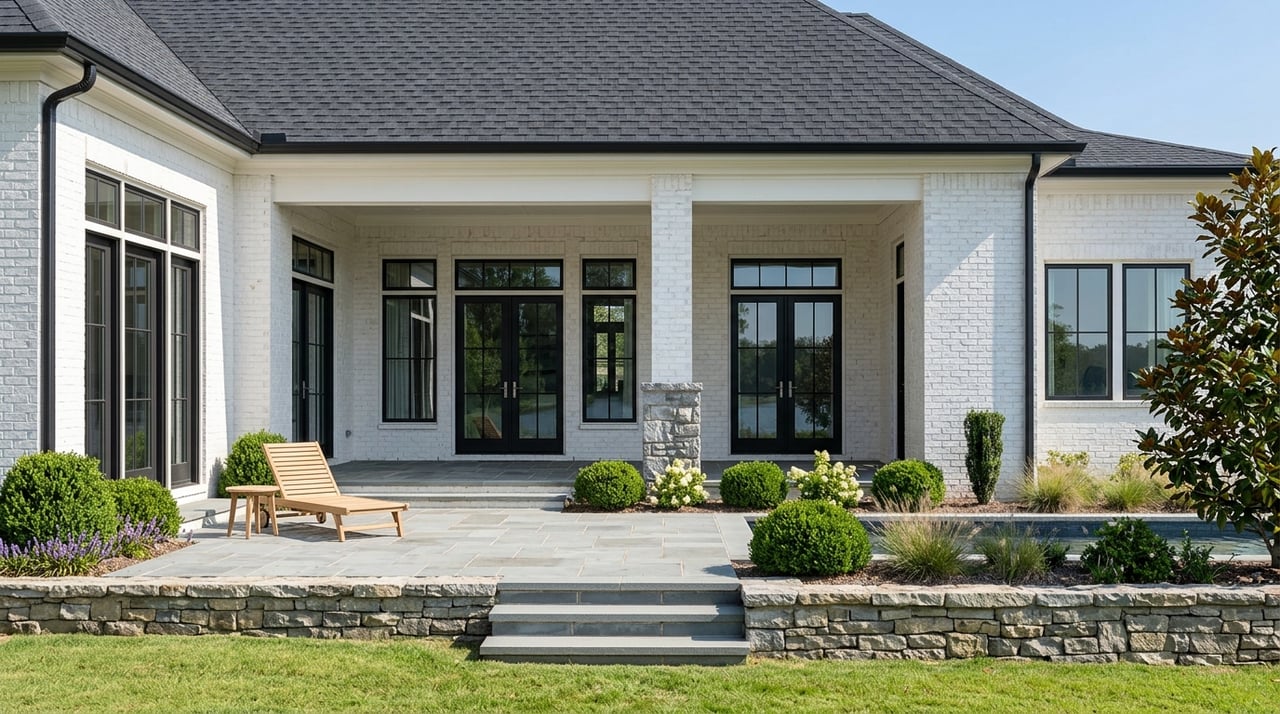
If you prefer a newer home with larger square footage, open-concept living, and community amenities, look to East Cobb and parts of West Cobb. Many subdivisions built from the 1990s onward feature two-story traditional or new-traditional exteriors with brick or stone accents, modern kitchens, and HOA-managed amenities such as pools, tennis courts, clubhouses, or fitness rooms. Expect covenants, conditions, and restrictions, plus monthly or annual fees.
Floor plans and lots
Lots commonly range from roughly 0.2 to 0.6 acres, with neighborhood-to-neighborhood variation based on price and builder. You will see popular layouts such as main-level guest suites, large kitchen islands, and upstairs laundry rooms. Garages are typically front- or side-entry with paved sidewalks and well-kept landscaping.
Market context
Recent Redfin snapshots suggest that East Cobb’s median sale prices often sit above Marietta city overall. West-side ZIPs near Kennesaw Mountain can show different medians than the city and East Cobb. Exact numbers move with the market, so use current local data when you are ready to write an offer and compare neighborhoods.
What to review before you offer
For HOA communities, request the CC&Rs, rules, fee schedule, recent meeting minutes, budget, and any special assessments as early as possible. Some neighborhoods offer optional or required club memberships on top of base HOA dues. Confirm everything in writing so you understand the full cost of ownership.
Match your priorities to the right area
Use these quick rules of thumb as you tour and compare.
Priority: Walkable lifestyle and character, smaller yard
- Consider: The Square and nearby historic districts. You will be close to restaurants, events, and cultural venues. Confirm whether the property is in a local historic district if you plan exterior changes.
Priority: Larger yard and neighborhood feel
- Consider: Classic suburban pockets near parks and established subdivisions with mature trees. Many offer swim and tennis amenities and mid-size lots.
Priority: New-construction finishes and HOA amenities
- Consider: Newer subdivisions in East Cobb and West Cobb with planned amenities. Review HOA scope, fees, and any separate club membership requirements before you offer.
Priority: Value and renovation potential
- Consider: Mid-century pockets west of downtown and older suburbs where you can update kitchens, baths, or outdoor spaces over time. Budget for a full inspection package.
Smart buyer checklist for Marietta
Use this short list to save time and avoid surprises.
- Confirm city vs. county and schools
- Start with a basic overview of city limits, rules, and schools: Marietta.com moving guide
- Verify the exact address with the district’s tool: Cobb attendance zones
- Plan your commute
- Map drive times along I-75, US-41, and the 120 corridor at your actual commuting hours. For a location primer, skim this overview: Marietta overview
- Check historic-district rules
- If a home is near the Square, look up whether it sits in a local historic district and review exterior guidelines with the city’s Historic Board of Review: Historic districts and Historic Board of Review
- Order a full inspection package
- In addition to a standard home inspection, budget for termite/WDO, roof, HVAC, plumbing, and electrical evaluations. Learn why WDO inspections are routine in Georgia: Georgia WDO inspection guidance
- Review flood risk early
- Check FEMA’s maps to understand flood zones and any insurance requirements before you write an offer: FEMA Know Your Flood Risk
- Review HOA documents and costs
- Ask for CC&Rs, budgets, minutes, and fee schedules. Confirm any club memberships and initiation fees that might be separate from HOA dues.
- Confirm taxes and exemptions
- City and county millage components differ. Ask your agent to help you estimate property taxes for the address and to review homestead exemptions you may qualify for.
Ready to compare neighborhoods side by side or tour a few areas in one afternoon? You can get a local, step-by-step plan tailored to your timeline, budget, and must-haves. If you want a guide who knows the streets, the rules, and the market rhythms, reach out to Stephanie Turner Lee to Schedule a Free Consultation.
FAQs
What is the difference between City of Marietta and unincorporated Cobb County?
- The City of Marietta has its own government, zoning, historic preservation program, and Marietta City Schools, while unincorporated areas follow Cobb County rules and Cobb County School District. Always verify your property’s location before you offer.
How do historic-district rules affect homes near Marietta Square?
- If a property lies in a local historic district, most exterior changes need a Certificate of Appropriateness and city review. Plan for extra time and follow the city’s published guidelines.
What home styles are common in the historic core?
- You will see Victorian, Queen Anne, Craftsman bungalows, and early 20th-century revival styles, plus some lofts and townhomes near the Square. Lots are usually smaller than in suburban areas.
What should I expect from classic suburban neighborhoods in Marietta?
- Expect mid-century to 1980s homes, bigger yards, and mature trees. Many communities offer swim and tennis amenities and have seen kitchen and bath updates over time.
What are HOAs like in newer East Cobb and West Cobb communities?
- Many planned subdivisions include pools, tennis, clubhouses, and fitness rooms, with covenants and monthly or annual dues. Ask for CC&Rs, budgets, minutes, and any club membership details before you commit.
Do I need a termite inspection when buying in Marietta?
- Yes. A termite or WDO inspection is routine in Georgia’s climate and often required by lenders and insurers. Budget for this along with your general inspection.
How do I check if a Marietta home is in a flood zone?
- Use FEMA’s Flood Map Service Center to review the property’s flood zone and insurance implications, and confirm details during your due diligence period.
How can I confirm the school assignment for an address?
- Do not assume based on marketing or zip code. Use the Cobb County School District attendance zone lookup for county addresses and confirm with Marietta City Schools for homes inside city limits.