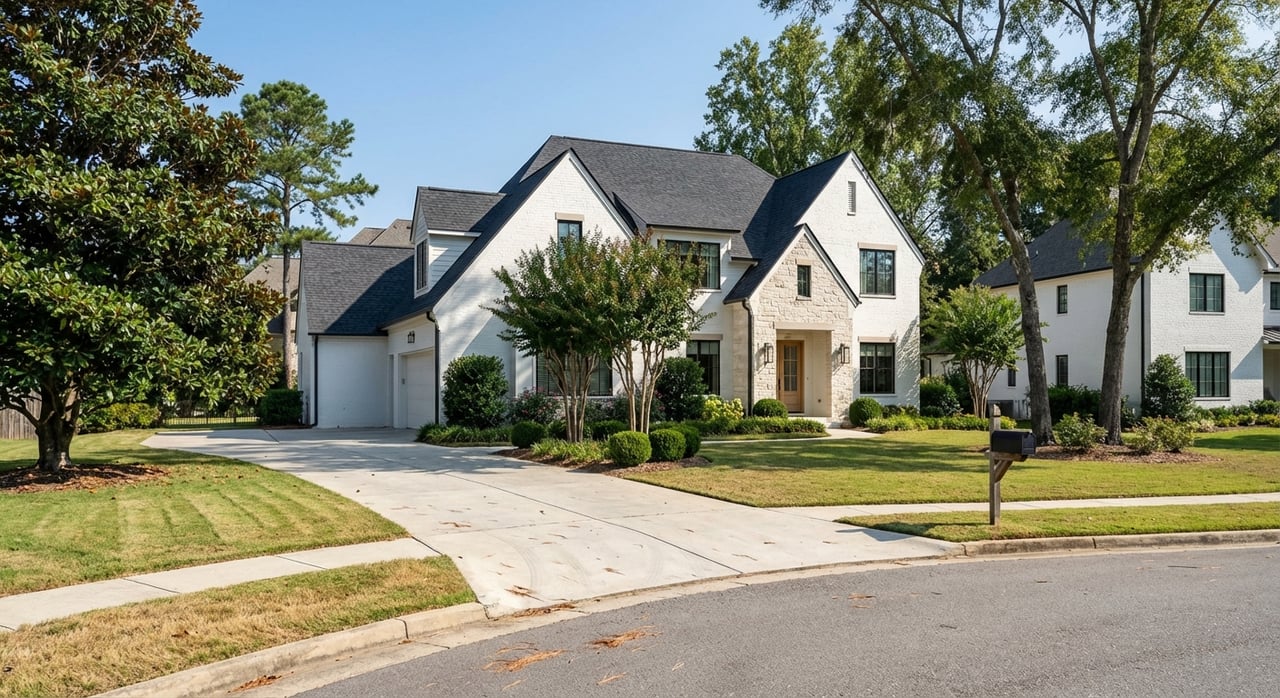
Thinking about selling your Acworth home and wondering when to make your move? Timing can shape your sale price, days on market, and how smoothly your plans come together. You want a clear answer that respects your goals, whether that is a top-dollar result, a fast sale, or a move before the school year. In this guide, you will learn how Acworth’s seasonality works, what local factors matter, and how to build a simple timeline that gets you to the closing table with confidence. Let’s dive in.
How Acworth’s market ebbs and flows
Across the U.S., buyer activity usually rises in spring, peaks from late spring to early summer, then eases into fall and winter. National research from groups like the National Association of Realtors and seasonal trackers such as Zillow Research and the Redfin Data Center show this pattern year after year. Acworth follows the broader Atlanta trend, with a few local twists you can use to your advantage.
Spring and early summer: prime time
April through June is typically the strongest stretch for buyer demand. Families plan moves before a new school year, and lifestyle buyers start searching with summer in mind. If your goal is the highest price, listing in April or early May puts you in front of the broadest pool of shoppers. In Acworth, this window also aligns with interest in lake-area and near-water properties.
Summer: still active, with a shift
June through August stays active, but the buyer mix leans toward families who must move during the break and relocations tied to work. Late-summer listings can be trickier for school-timing buyers if occupancy would fall after the first day of classes. If you can offer a July or early August close, you may hold more appeal for that group.
Fall: fewer shoppers, less competition
September and October generally bring lighter traffic. The upside is less competition and more focused buyers. If you prefer a calmer showing schedule or want to stand out in your price band, fall can be a smart window when your home is well prepared and priced right.
Winter: low inventory, serious buyers
From November through February, both listings and showings tend to be lowest. That said, Georgia’s mild winters reduce the slowdown compared to colder regions. If you price competitively and present the home well, you can attract motivated buyers and benefit from fewer competing homes.
Local drivers that shape timing
Commute access and jobs
Many Acworth buyers commute along I-75 and I-575 into Atlanta or nearby employment centers in Cobb County. That steady flow supports demand most of the year. Corporate relocations also add buyers at intervals tied to hiring cycles or quarter ends, though these are less predictable than school-year timing.
Lakes and lifestyle appeal
Lake Allatoona and Lake Acworth draw lifestyle buyers who value boating and outdoor recreation. Interest in waterfront and near-water homes often climbs in spring and early summer when buyers plan for the season ahead. If your property highlights outdoor living, lean into early-season photos and marketing.
Schools and summer moves
Many families want to be settled before the first day of school. If that is your likely buyer, plan backward from the Cobb County School District calendar for the specific year. Listing in April or early May typically allows time for showings, inspections, and a July or August closing.
New construction nearby
New-home communities in northwest Cobb and along the Cobb–Paulding edge can add short-term supply that affects pricing and days on market, especially for entry and mid-level homes. Keep an eye on releases and approvals through Cobb County Government and general planning updates from the City of Acworth.
Pick the best month for your goal
- Highest price and maximum traffic: List in April or early May for the broad spring audience and a June or July closing window.
- Move before the school year: List in early April through early May to aim for a July or August move-in, depending on contract and loan timelines.
- Waterfront or seasonal lifestyle homes: List in March through May to catch buyers planning their summer.
- Fewer showings and more motivated buyers: Consider September to October or winter, with a pricing strategy aligned to the smaller buyer pool.
- Urgent sale: Price competitively at any time. Spring can help with traffic, but a strong price and clean presentation matter most.
Remember, mortgage rates can push or pull demand. Track weekly rate trends through Freddie Mac’s Primary Mortgage Market Survey and stay flexible as you set your list date.
Build a timeline that works
Strong results start months before you hit the market. Use this simple prep plan and adjust to your needs.
6–12 months before listing
- Tackle major repairs like roof, HVAC, structural items, and permits for larger projects.
- Gather quotes if you plan updates.
- Review comparable sales in your neighborhood to set early expectations.
3–6 months before listing
- Complete cosmetic updates: paint, flooring, fixtures, and light kitchen or bath refreshes.
- Declutter and begin landscaping cleanup.
- Consider a pre-listing inspection if you want fewer surprises later.
1–2 months before listing
- Deep clean and stage, professionally or DIY.
- Schedule professional photography and video when landscaping looks its best.
- Finalize pricing strategy and marketing copy.
2–6 weeks of runway for closing goals
- Typical financed closings run 30 to 45 days after contract, sometimes longer for FHA or VA loans.
- If you need to move before school starts, list early enough to allow time for showings, negotiation, inspections, appraisal, and closing.
Read the market as you go
Use a few key indicators to fine-tune your timing and price. Sources like the Redfin Data Center, Zillow Research, and NAR publish month-by-month trends, while your local MLS provides the most precise neighborhood snapshots. For bigger-picture context, monitor mortgage rates with Freddie Mac PMMS and check local planning updates from Cobb County Government and the City of Acworth.
Key signals to watch:
- Rising inventory and longer days on market suggest more buyer leverage. Consider listing sooner or pricing more competitively.
- Falling inventory, shorter days on market, and stronger list-to-sale ratios point to a seller-friendly window.
- In spring, expect more competition. Make staging and pricing discipline a priority.
- For unique segments like waterfront or luxury, rely on comparable data for similar homes rather than county-wide averages.
Three sample timing plans
Plan A: Spring peak strategy
- Goal: Highest price with broadest demand.
- Target list window: April to early May.
- Expected marketing period: 2 to 3 weeks to gather showings and offers, then 30 to 45 days to close.
- Notes: Stage thoroughly, price near the top of comps, and be ready for multiple-offer protocols.
Plan B: School-timed move
- Goal: Close before the first day of school.
- Target list window: Early April to early May.
- Expected marketing period: Similar to Plan A, but build a buffer for inspections and appraisal.
- Notes: Confirm the current year’s start date on the Cobb County School District calendar. Offer a preferred closing window in your listing notes if possible.
Plan C: Fall or winter convenience
- Goal: Fewer showings and a less competitive landscape.
- Target list window: September to October or winter months.
- Expected marketing period: May be longer than spring, with motivated buyers still active.
- Notes: Emphasize warm, inviting interior photos and right-size expectations on price.
When fall or winter is smarter
You might not want to wait for spring. If your home shows well now, local inventory is tight, or you need a smooth move-out date, fall or winter can be a better fit. You will likely face fewer competing listings and more serious buyers. With smart pricing, strong marketing, and flexible terms, you can still get an excellent result.
Let’s build your timing plan
Your best time to sell depends on your goals, your property, and the current data. If you want a clear, step-by-step plan, let’s talk through your ideal move date, pricing strategy, and prep timeline. Schedule a Free Consultation with Stephanie Turner Lee to get a local, data-backed strategy for your Acworth sale.
FAQs
What month is usually best to sell in Acworth?
- Late spring to early summer often brings the most buyers and stronger prices, with April and May list dates positioning you for a June or July closing.
How early should we list to move before school starts in Cobb?
- Plan to list in early April to early May, which typically allows 8 to 12 weeks for marketing, inspections, appraisal, and closing before a July or August move-in; confirm dates on the Cobb County School District calendar.
Do waterfront or near-lake homes have a special window?
- Yes, lifestyle buyers often plan early, so listing in March through May can boost perceived value with seasonal photos and summer-use timing.
Can a winter listing still get a strong outcome?
- It can, especially if local inventory is low and your pricing and presentation are on point; buyers active in winter are often motivated and less distracted by competing homes.
How do mortgage rates change the best time to sell?
- Falling rates can expand the buyer pool and support prices, while rising rates can compress demand; monitor weekly trends with Freddie Mac PMMS and adjust your list date and pricing accordingly.
What local sources should I check before I list in Acworth?
- Review neighborhood-level market data via your MLS, scan seasonality views on the Redfin Data Center or Zillow Research, and check planning updates from Cobb County Government and the City of Acworth.
How long should I plan for repairs and staging before listing?
- Budget 6 to 12 months for major repairs, 3 to 6 months for cosmetic updates and landscaping, and 1 to 2 months for deep cleaning, staging, and professional photos so you can hit your target month with ease.